

Software Outsourcing 2026: 3 Strategic Shifts Beyond Cost
For many business leaders, the term “software outsourcing” still evokes an outdated image: a purely tactical maneuver to find cheap labor for simple, non-critical tasks. This conventional viewpoint, however, not only misses the profound strategic value of modern outsourcing but is also a primary reason why many such initiatives fail to deliver impactful results. The landscape has undergone a paradigm shift, and clinging to old perceptions means leaving significant competitive advantages on the table.
This article from The IT Source – a trusted partner in AI and digital transformation will illuminate three fundamental shifts in the offshore development world, demonstrating how modern outsourcing has evolved into a powerful engine for innovation and speed, especially for complex and crucial projects like mobile app development.
The Old Model vs. The New Reality of Offshore Development
To appreciate the current evolution, it’s essential to understand the stark contrast between the past and the present. The old model was transactional; the new reality is transformational. This shift extends beyond simple process improvements; it represents a fundamental change in mindset, communication, and the very definition of success.
From a Focus on Cost to a Pursuit of Value: In the past, the primary driver for software outsourcing was almost singularly focused on cost reduction. The key question was, “How can we get this built for the lowest possible price?” This vendor mindset treated the offshore team as a line item on a budget sheet. Today, the conversation has shifted dramatically to value creation. Strategic leaders now ask, “How can this partnership accelerate our time-to-market, improve the quality of our product, and drive innovation?” The focus is now on maximizing the overall return on investment and business impact, rather than minimizing expenses.
From Siloed Communication to Seamless Integration: The old model was characterized by formal, infrequent communication. Interactions were often limited to scheduled status reports and rigid requirement handoffs, creating information silos and a persistent “us versus them” mentality. In stark contrast, the new reality of offshore development thrives on constant, deeply integrated communication. A modern offshore partner becomes an extension of the in-house team, participating in daily stand-ups, utilizing shared collaboration tools such as Slack and Jira, and engaging in real-time strategic discussions. This ensures everyone is aligned and moving towards the same goal.
From Reactive Execution to Proactive Partnership: Previously, an offshore vendor’s role was to passively receive instructions and execute them according to a strict scope of work. They were order-takers. The new expectation is for a proactive partner who contributes strategically. This means the offshore team is empowered and expected to analyze requirements, challenge assumptions, suggest technical improvements, and offer solutions that the client may not have considered. They are not just building the product right; they are helping to build the right product.
This fundamental evolution from a transactional vendor to a strategic partner is the single most important concept to grasp when considering software outsourcing today.
3 Strategic Trends Redefining Mobile App Development Offshore
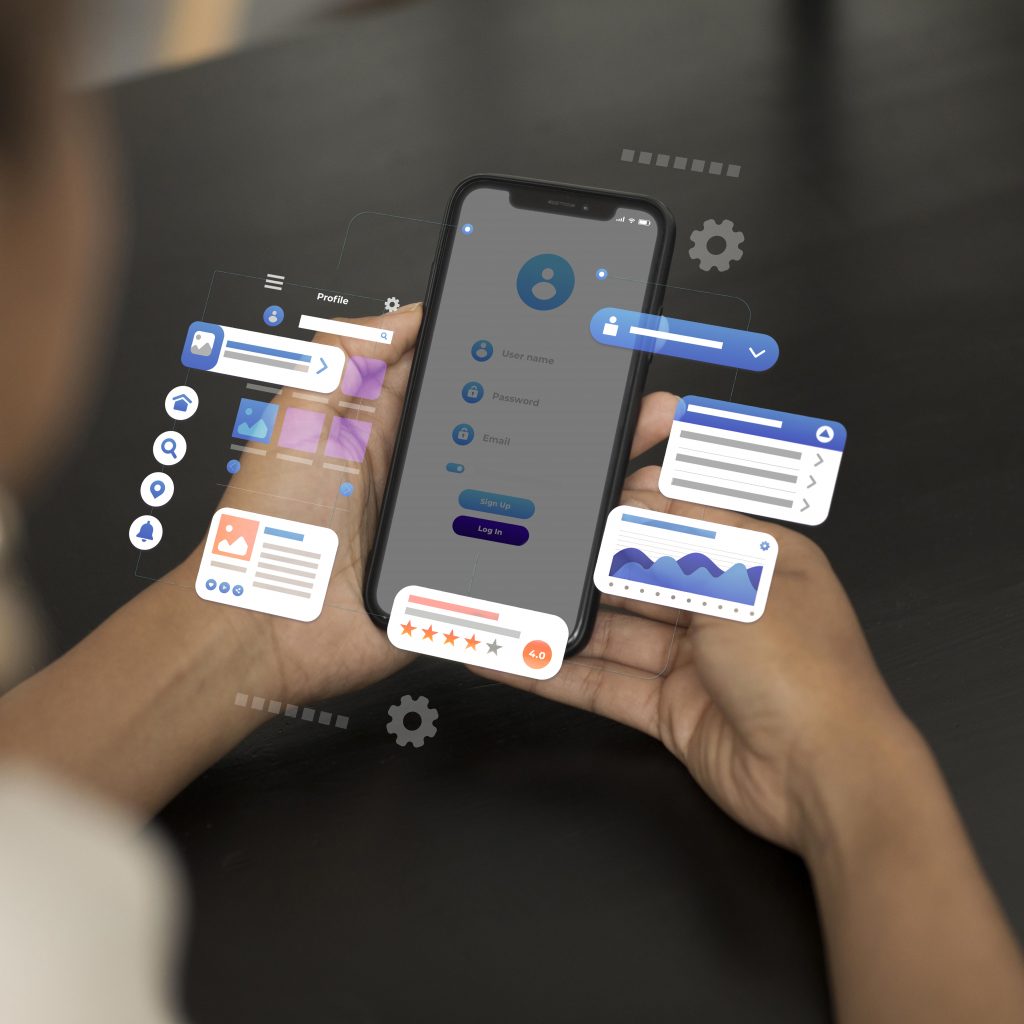
This new reality is defined by three key trends that are reshaping how businesses approach offshore mobile development.
Trend 1: From Hiring Coders to Assembling Product Pods
The most significant evolution is the move away from simply “renting a coder.” Forward-thinking companies are now outsourcing entire, cross-functional “product pods.” These are self-contained teams, often comprising a Project Manager, UI/UX Product Designers, Web Fullstack and Mobile Engineers, and Quality Assurance Engineers, all working cohesively to own a product feature or an entire application from start to finish.
This POD model offers immense value by alleviating the managerial burden on the client’s side and fostering a strong sense of ownership within the offshore team. Instead of managing individual developers, a Product Manager can collaborate with a single, unified pod that is fully accountable for its workstream. This structure also drastically reduces internal friction and rework, as the UI/UX designer, developers, and QA are always in sync, ensuring a seamless flow from design to deployment
Trend 2: Specialization is the New Standard
As the mobile landscape becomes more complex, the demand for highly specialized skills has skyrocketed. The focus of offshore development is shifting from finding generalist programmers to sourcing deep expertise in niche domains that may be prohibitively expensive or rare to find locally. This includes proficiency in developing secure FinTech payment gateways, HealthTech applications with stringent data privacy requirements, or e-commerce platforms, such as the Order Management System developed for the ZALORA Group.
This trend enables businesses to access cutting-edge technology and in-depth industry knowledge on demand, allowing them to develop more sophisticated and competitive mobile applications. Crucially, it mitigates the significant risks associated with having a generalist in-house team attempt to build highly complex, specialized features, thereby preventing costly errors and ensuring compliance with industry-specific regulations. This is supported by recent developer skills reports, which highlight the demand for specialization.
Trend 3: The Rise of the Proactive Offshore Partner
Perhaps the most crucial shift is in expectation. The passive, order-taking vendor is a relic of the past. A modern offshore partner is expected—and required—to be a proactive contributor to the project’s success. This means they are not only responsible for writing clean code but also for contributing to the product roadmap, suggesting technical improvements, and constructively challenging requirements to ensure the best possible product is built.
This proactive partnership model transforms the relationship into one of mutual investment. The offshore team becomes a true strategic asset, actively participating in problem-solving and offering insights that can prevent costly mistakes and uncover new opportunities. This collaborative approach is a core tenet of modern Agile methodologies, which emphasize the value created through close, trust-based partnerships over rigid contracts.
Is Your Business Ready for the New Era of Software Outsourcing?
With this evolution in mind, it is worthwhile to reflect on your own approach. Are you still viewing outsourcing primarily as a cost-saving tool, or are you prepared to leverage it as a strategic growth engine? Is your organization structured to integrate a full product pod from a partner? Do you seek a partner who not only follows instructions but also actively contributes to your product’s vision and success? Answering these questions is the first step toward unlocking the true potential of modern offshore development.
The global offshore development market is expected to reach $389.7 billion by 2033, growing at a CAGR of 12.5%. This growth is driven not only by cost reduction, but also by the strategic value that modern outsourcing partnerships provide.
How The IT Source Embodies the Future of Offshore Development
At The IT Source, our entire service model is built upon this new, strategic paradigm of software outsourcing. We don’t just provide developers; we build the future-ready partnerships you need to succeed.
Our approach directly aligns with these strategic shifts by providing dedicated, cross-functional teams that include everything from project managers to senior developers and QA engineers, ready to integrate seamlessly into your workflow. Our strength lies in specialized expertise, as demonstrated by a diverse portfolio that spans building social media applications to complex pawn shop systems and payment gateways. Most importantly, our core philosophy is centered on Proactive Contribution; we function as a true strategic partner, ensuring our success is intrinsically tied to the success of your product.
A Strategic Imperative for Growth
The landscape has irrevocably changed. Viewing software outsourcing not as a tactical cost-center but as a strategic partnership for innovation is no longer an option—it is an imperative for any business looking to grow and compete effectively in the digital-first world. The companies that adopt this new model will be the ones that develop better products, launch them more quickly, and ultimately win the market.
Ready to build a true strategic partnership?
Contact The IT Source to discuss how our modern approach to offshore development can accelerate your mobile app project.